
April 1985 · Vol. 21 No. 4
April 1985 Magazine (Vol. 21 No. 4)
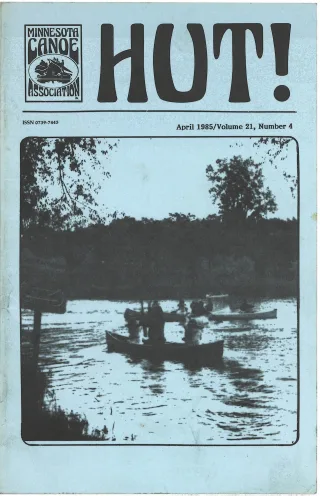
Magazine · 48 pages
Search this issue
April 1985 Magazine (Vol. 21 No. 4)
Captured text — scan page 28
Automatically captured text may contain recognition errors. Compare it with the original scan.
CONSERVATION
THE ECOLOGIST'S NICHE
All around us nature is changing. Often these changes occur slowly,
too slowly for us to realize they are happening. Eventually, if man does not
disturb the processes of nature, the changes will stop and a relatively stable
community of life will be present. This orderly and progressive change from
one community to another is called "succession." Succession occurs in all
types of habitat: lakes, streams, forests, prairies, deserts, tundra, even your
backyard. Just don't mow the lawn for a month in the summer and see the
changes that will occur. Succession is not always that fast, though.
Changes in other environments, such as desert or tundra, make take decades,
or even centuries.
Let's go through an example. A lake somewhere in Minnesota used to
be clear and clean. Not too many weeds were present. Over time nutrients
eame into the lake, some from falling leaves in autumn, some from a small
stream that flows into the lake, some from the dead parts of animals and
plants that lived in the lake. More and more things can grow in the lake
now, fed by the nutrients now present in the lake. These too then contribute
to the nutrient build-up when they die and settle to the bottom. Eventually
the lake begins to fill in. The lake becomes so shallow that weeds cover the
entire surface of the water in the summer. The marsh,continues to fill in.
Eventually it becomes so shallow that it may dry up in the heat of the
summer months and not hold water until the next spring. Filling in
continues. The temporary pond fills so completely that it becomes more like
dry land and less like a wetland. Trees and shrubs begin to grow where once
there were water lilies. The lake has gone through several stages of
succession. It was a lake, then a marsh, then a small pond, then a temporary
pond, then dry land. But succession does not stop here. Now the terrestrial
community also begins to go through successional changes.
This process of aquatic succession would take hundreds, perhaps
thousands, of years. The process started at the end of the last ice age when
many of our lakes were formed, and continues to this day. And we still have
thousands of lakes left.
Man has the ability to accelerate or retard the processes of succession.
In our aquatic example, man may choose to fill in a marsh, thereby acceler-
ating to the dry land stage. Or he may choose to dredge out a lake, thereby
setting the clock back on succession. There are many more examples.
Succession is a long and dynamic process. A complete discussion of it
includes elements from all the areas of ecology. Any number of factors can
affect the way succession proceeds. It may be accelerated, or it may be
slowed down, but it will always continue. — John Nosek, Conservation
Director
The mean discharge at the mouth of the Crow Wing River is about 1,000
cubic feet per second; of this, the Shell contributes an average of 250, Leaf
River about 150, Long Prairie River 200, and Gull River 100.
Streams and Rivers of Minnesota —
Tom Waters.
HUT! 28
Article contents & approved summaries (0)
No article summaries are available for this view.