← Back to The HUT

April 1987 · Vol. 23 No. 4

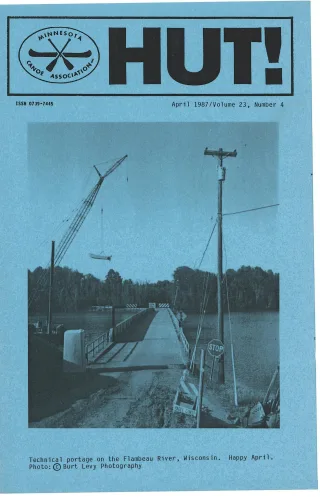
April 1987 Magazine (Vol. 23 No. 4)

Issue first-page cover

Magazine · 40 pages

April 1987 Magazine (Vol. 23 No. 4)

Captured text — scan page 34

Automatically captured text may contain recognition errors. Compare it with the original scan.

This shows the complete scan page, including any other material on it.

BUILDERS CORNER

For many years, I was under the impression that the only way to
build a canoe was with full-length, knot-free strips.

After a chance meeting with a friend of mine, all that has
changed. Since the first of the year, I have built three canoes
using strips of various lengths. (Two to eight feet.) The answer was
simple, cut out the knots. Using the bead and cove method, the
strips locked together, allowing me to use strips of any length. To
join the ends of the strips together, I cut them at a 45 degree
angle with a simple miter box made from a couple short lengths of 2 X
4's. After stapling the strip to the template, I applied glue to the
joint and held it together with a C-clamp. The next strip applied
is simply passed through the opening in the C-clamp. and stapled in
place. Using "Elmer's Carpenters Glue," which sets up very quickly,
I was able to remove the C-clamp by the time I added the next strip.
I found it easier to make my joints between the forms rather than
joining the strips on a template. The joints should not be directly
over each other, but staggered. With the varying lengths of strips,
this is easily accomplished.

The end results give a pleasing look, somewhat like a varnished
planked oak floor. To prove to myself that anyone could do it, I
gave verbal instructions only to a new MCA member, wanting to build a
canoe. He has now completed stripping his canoe and informed me he
had no trouble at all.

I have been building mostly 17' canoes, and 18' clear lumber is
expensive. Buying less expensive cedar and cutting out the knots, so
to speak, I can now get by with a smaller dollar investment. Teamed
together with Resin and Cloth from the MCA, it brings the cost of
building a canoe within reason.--Mike Zapf

CRUISING NOTES
April and May cruises (see March HUT! for details on April cruises).

April 4th--Minnesota River-Harlan Nickerson 535-1373
April 11th--Moderate Whitewater Run-- Bill Simpson 433-3451
‘April 18th--Rice Creek--Caryl Duke 544-2668 and

Al Gustaveson 778-8525

May 3rd, Sunday. Cannon River Cruise--Welch Village to Red Wing
with bicycle shuttle optional. Day Cruise with efficient paddling at
a moderate pace on an easy river. Pot luck picnic lunch. Please
call for more information. Bill Simpson (612) 433-3451 later
evenings.

May 16th, Saturday. Minnehaha Creek--a day cruise at a
recreational pace with a moderate level of difficulty. Meet at

30 HUT!

Articles (10) · Summaries (10)

Generated issue overview: April 1987 issue of HUT!, the monthly publication of the Minnesota Canoe Association. The issue contains canoeing features, practical advice, chapter material, class information, calendars, advertisements, forms, and classified listings.

Generated summaries are descriptions, not original captured text. Page-range text shows complete scan pages and may include neighboring material.

From the Bow

Title transcribed from original publication

Generated summary: The MCA president discusses dry winter conditions and low-water prospects, chapter funding, upcoming canoe events, and special paddle nights with Wilderness Inquiry.

Open scan page 4

Read captured page 4 →

Cliff's Corner--Ready Recipes

Title transcribed from original publication

Generated summary: Offers practical suggestions for affordable canoe-trip meals and camp cooking, including breads, smoked meats, stews, baking, fresh foods, coffee, and trail cake.

Open scan page 10

Read captured pages 10–11 →

Cannondale Tents

Title transcribed from original publication

Generated summary: Reports that Cannondale has stopped regular tent production and describes the possibility of arranging a special-order run of Aroostook tents if enough buyers are interested.

Open scan page 11

Read captured page 11 →

I'd Rather Be Canoeing

Title transcribed from original publication

Generated summary: Recounts the MCA building show and banquet, praising the attendance, meal, and slide presentation about a canoe trip on the Winisk River and at Hudson Bay; it also thanks event sponsors.

Open scan page 12

Read captured page 12 →

Rookie Racers

Title transcribed from original publication

Generated summary: A humorous first-person account of the author's exhausting first experience with canoe racing, including instruction in paddling technique and the lessons he took away from the session.

Open scan page 14

Read captured pages 14–15 →

Plan Ahead--A Book Review

Title transcribed from original publication

Generated summary: Reviews Robert Beymer's guide to Quetico Provincial Park, describing its information on entry procedures, trip options, distances, portages, fishing, campsites, and natural features.

Open scan page 16

Read captured page 16 →

Down Stream Both Ways

Title transcribed from original publication

Generated summary: Describes a winter canoe outing on South Carolina's Ashley River, where the changing tide shapes the author's route through marshland and back to the launch point.

Open scan page 29

Read captured page 29 →

Building Tip

Title transcribed from original publication

Generated summary: Recommends wetting rows of staple holes before final sanding so the wood can swell and help close the holes and lift staple-bar dents.

Open scan page 29

Read captured page 29 →

Urban Canoeing Series

Title transcribed from original publication

Generated summary: Introduces a series of Minneapolis-area canoe outings focused on improving paddling skills, progressing from a chain-of-lakes session to river, creek, racing, and endurance outings.

Open scan page 30

Read captured pages 30–31 →

Builders Corner

Title transcribed from original publication

Generated summary: Explains how to build a cedar-strip canoe using shorter strips by cutting out knots, joining strip ends at an angle, and staggering the joints; the author notes the cost savings of using shorter lumber.

Open scan page 34

Read captured page 34 →